
Learn how professional realism artists approach value, color, edges, drawing, composition, and more—and see these techniques demonstrated at Realism Live.
You can spend years painting and still feel like something is missing.
Maybe your portraits don’t quite look three-dimensional. Maybe your colors feel flat. Maybe your figures are accurate but lifeless—or your paintings have plenty of detail but lack the realism you’re after.
The good news? Improving realism isn’t necessarily about adding more detail. Often, it’s about understanding a handful of fundamental decisions that professional artists make throughout the painting process. (Want to see these techniques demonstrated by today’s leading realism artists? Explore Realism Live 2026.)
Here are seven realistic painting techniques worth studying:
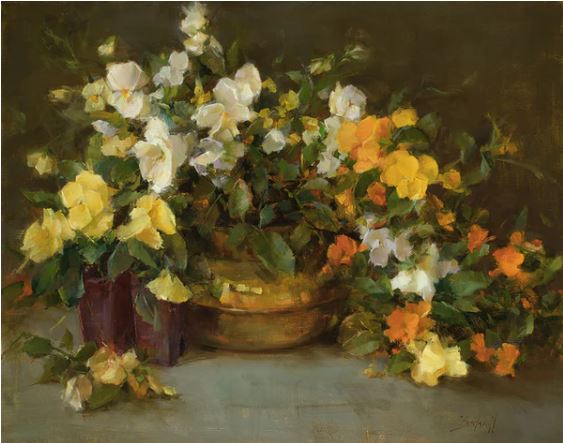
1. Start with strong values.
2. Don’t underestimate the drawing. Apply the basics: Proportion and measuring, gesture and placement, structure, and a block-in.
3. Learn to see — and control — edges: Hard edges vs. soft edges vs. lost edges.

4. Think about color relationships — not isolated colors. Consider: warm/cool relationships, saturation, relative color, reflected light, local color vs. observed color.
5. Simplify before adding detail. Detail doesn’t automatically equal realism. In fact, excessive detail can sometimes make a painting less convincing.
6. Build your painting in stages: drawing → block-in → values → color → modeling → refinement
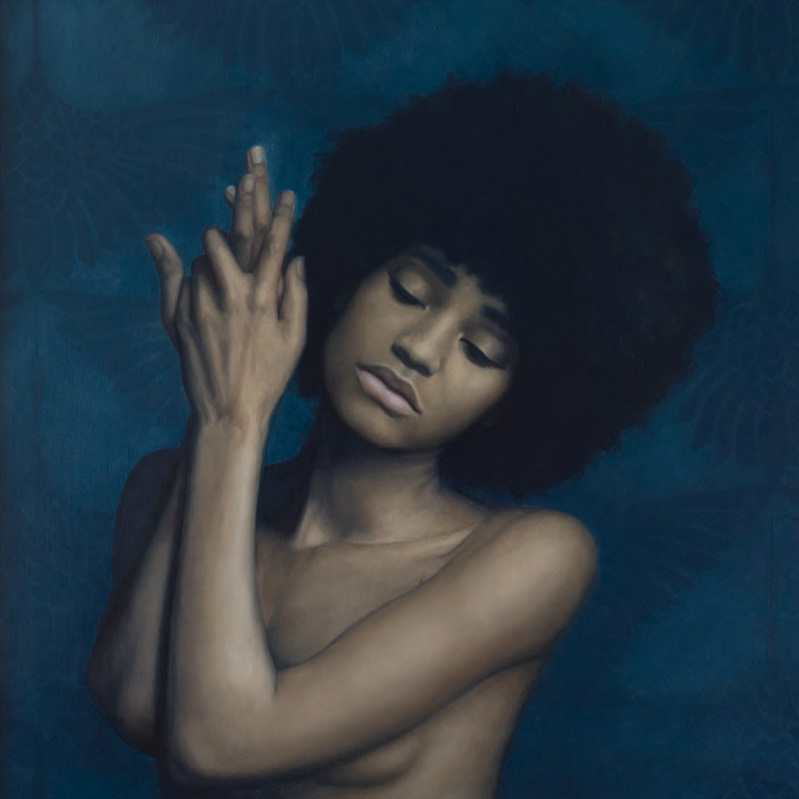
7. Study different artists — not just one method. There’s no single formula for realistic painting. One artist may approach a portrait through careful drawing and measurement, while another begins with broad masses of color. A landscape painter may think primarily about atmosphere and value, while a still life painter may obsess over edges and temperature. That’s one reason studying several accomplished artists can be so valuable.
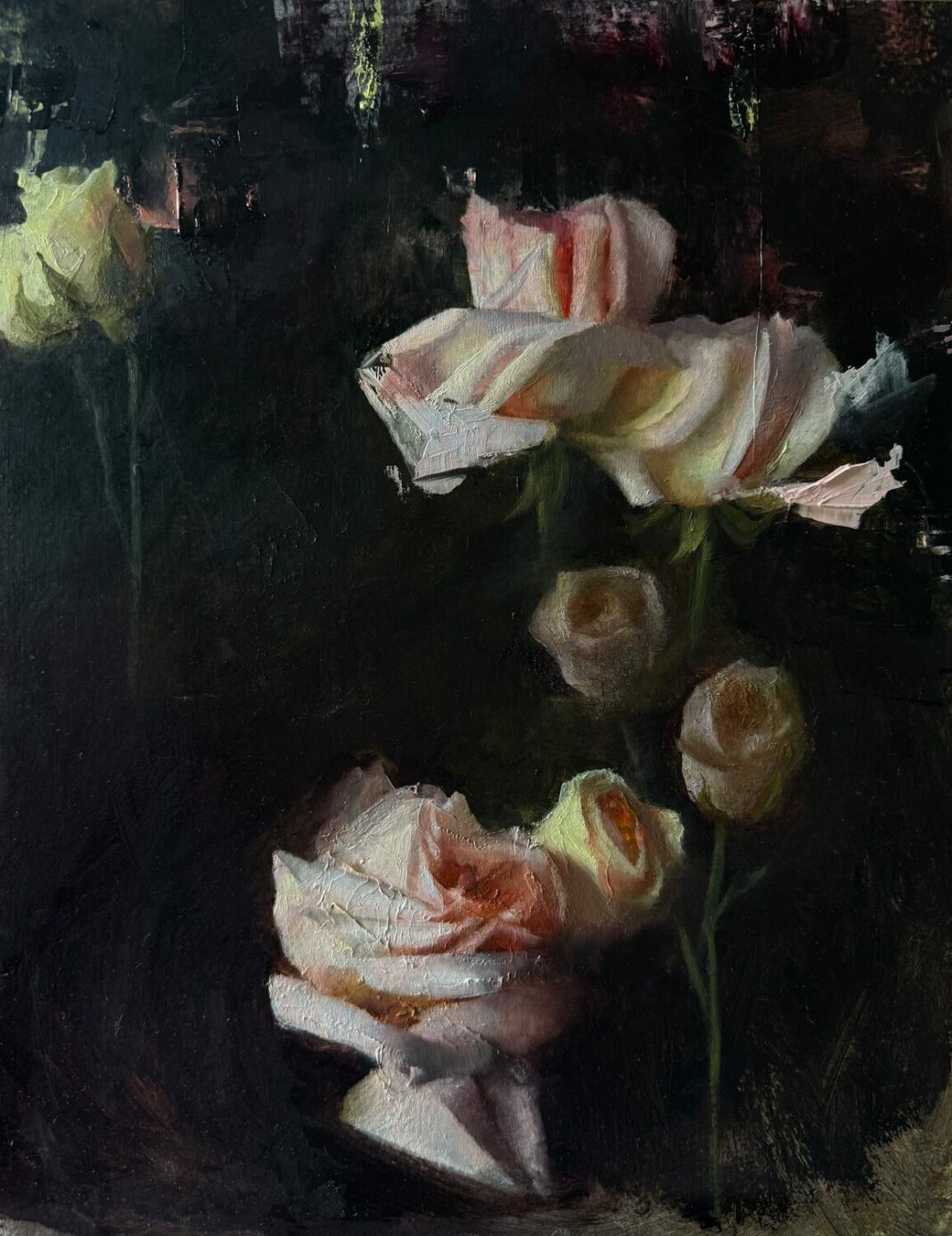
Ready to see these processes from start to finish? Realism Live brings 20+ accomplished artists together online November 11–13, 2026, hosted by Eric Rhoads and Peter Trippi. See the faculty and schedule at RealismLive.com.
See These Detailed Techniques in Action at Realism Live
If you struggle with portraits > Learn how professional artists approach proportion, structure, values, flesh tones, edges, and expression.
If your paintings look flat > Study value, temperature, edges, and modeling.
If your colors don’t feel right > Watch artists demonstrate color mixing and color relationships.
If you get lost halfway through a painting > Watch how experienced artists structure their process from initial drawing through final refinement.
If you aren’t sure what materials to use > See what professional artists actually use in their studios.
If you learn best by watching >Watch full demonstrations and revisit the replays.
Why should you spend money on this instead of watching YouTube? Because you’re not buying information. You’re buying access to experienced artists’ decision-making processes, including an interactive chat with artists from all over the world.
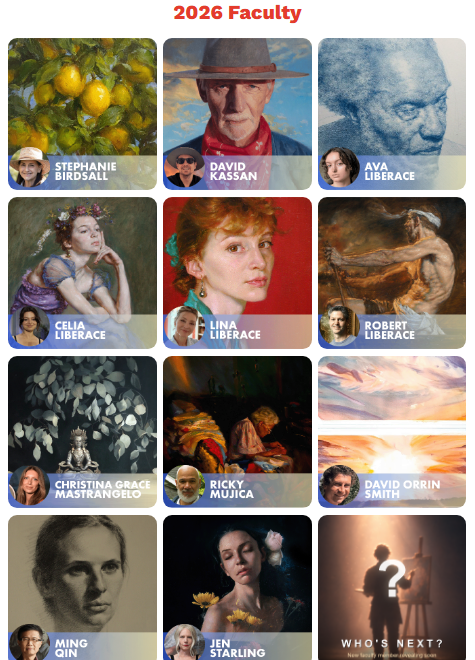
Take Your Realism Further
November 11–13, 2026, learn from more than 20 accomplished realism artists, watch demonstrations, paint along, connect with other artists, and access replays so you don’t have to catch everything live.
[GET YOUR REALISM LIVE TICKET →]
FeedSpot has selected Realism Today as one of the Top 20 Oil Painting Blogs on the web (FeedSpot, 2026)
Blog post prepared for the web by Cherie Dawn Haas, Editor of Realism Today