
The 6th Annual Watercolor Live came to an end recently, wrapping up with even more of today’s best watercolor artists sharing all of their secrets, explaining their materials, methods, and more, hosted by CEO and Publisher Eric Rhoads, and American Watercolor Weekly Editor Kelly Kane.
“This is more than a conference — it’s a global celebration of watercolor,” said Eric. “This week is about growth, fun, and transformation. You might feel frustrated at times. Maybe you are working too hard. Learning doesn’t have to feel like work. Think of it as play — as a creative adventure where frustration is part of the fun. Dive in, play, experiment, and let yourself grow. Remember: Talent isn’t some magical gift — it’s process + enthusiasm. Believe in yourself. You’ve got this!”
Join us next for Gouache Live on February 19, 2026. It’s a one-day, beginner-friendly bootcamp that makes gouache easy and fun!
Watercolor Live Realism Highlights
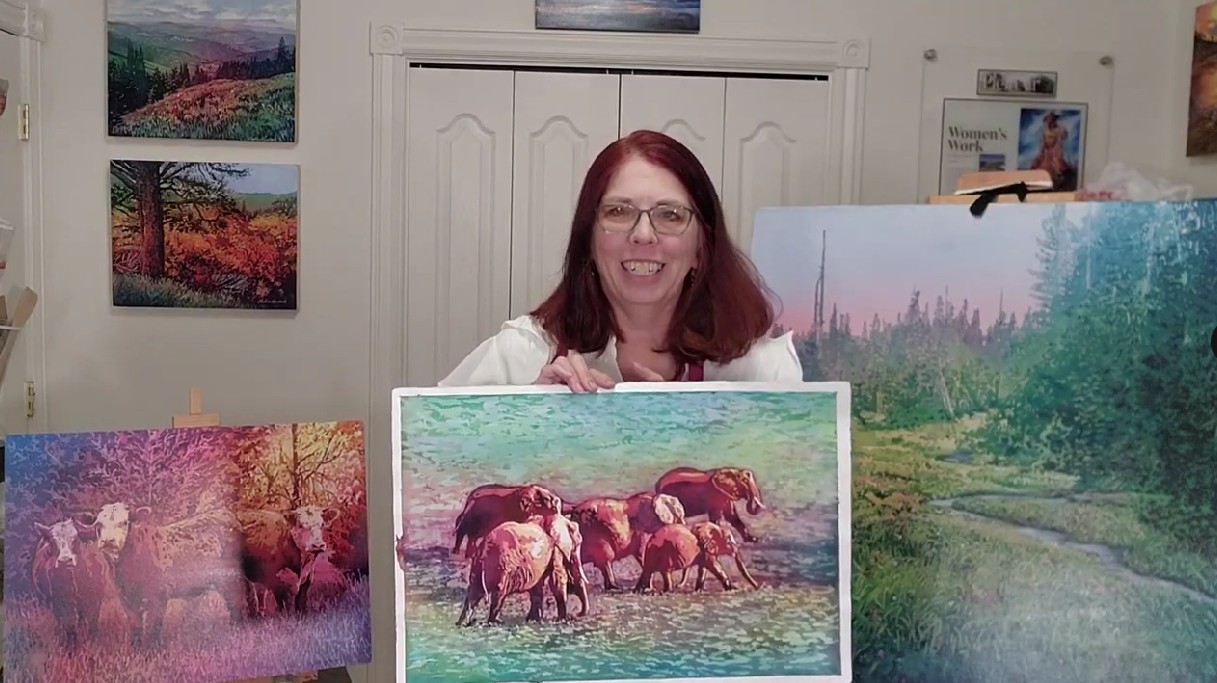
“For me, luminous realism and pouring watercolor is about letting the paint feel real and alive; letting it glow with light, story, and emotion, rather than over-defining every detail,” said Leslie Lambert in her watercolor pouring demonstration. “You don’t have to control the water. You just have to listen and respond.”
“This is like watching an exciting sport.” ~Jada R.
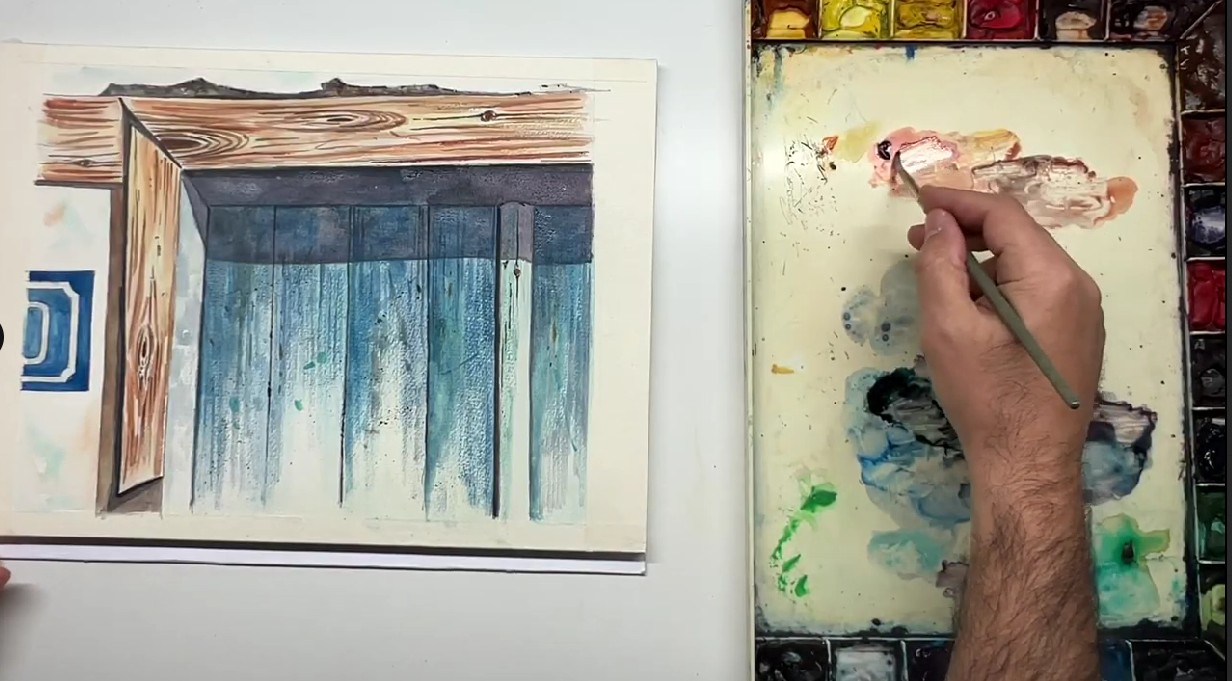
Transparency is essential, George Politis says. His watercolor demo, in which he frequently added water to his brush to encourage transparency, honed in on the textures of an old door he came across in Greece.
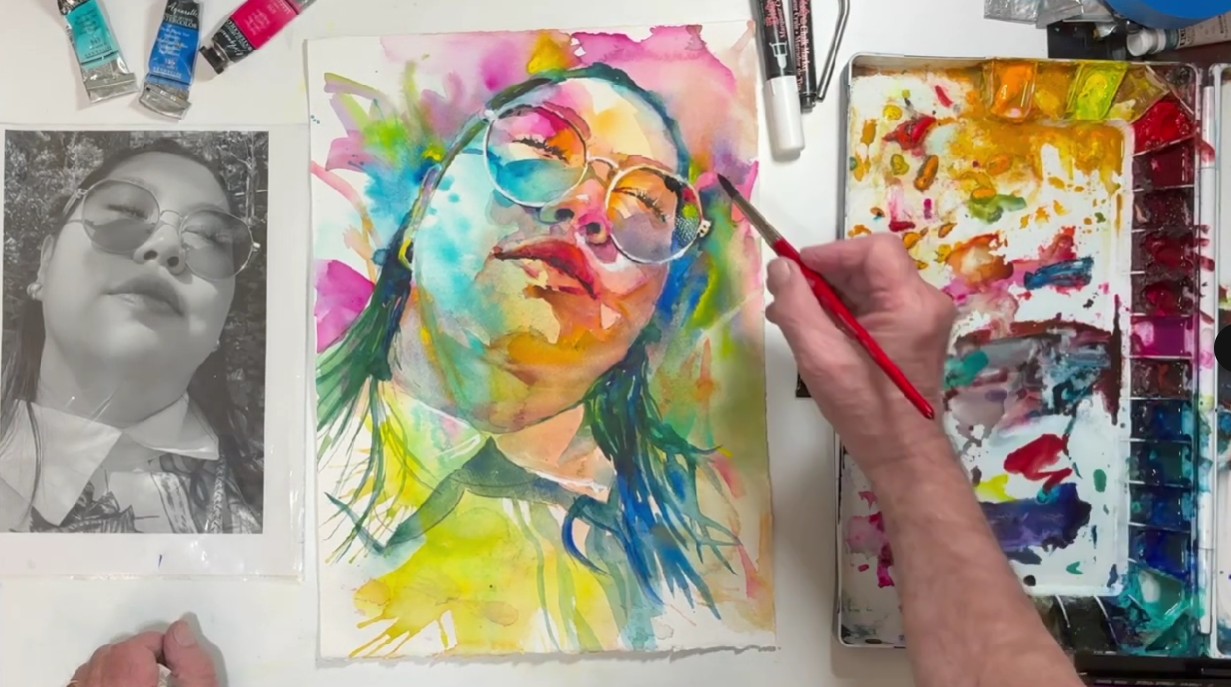
If you’re looking for “California vibe” watercolor portraiture, you’ll find it with David Lobenberg. His work is bright and expressive, and he uses somewhat unusual ways to apply paint to watercolor paper – all of which he shared during his demonstration of “California Dreaming.”
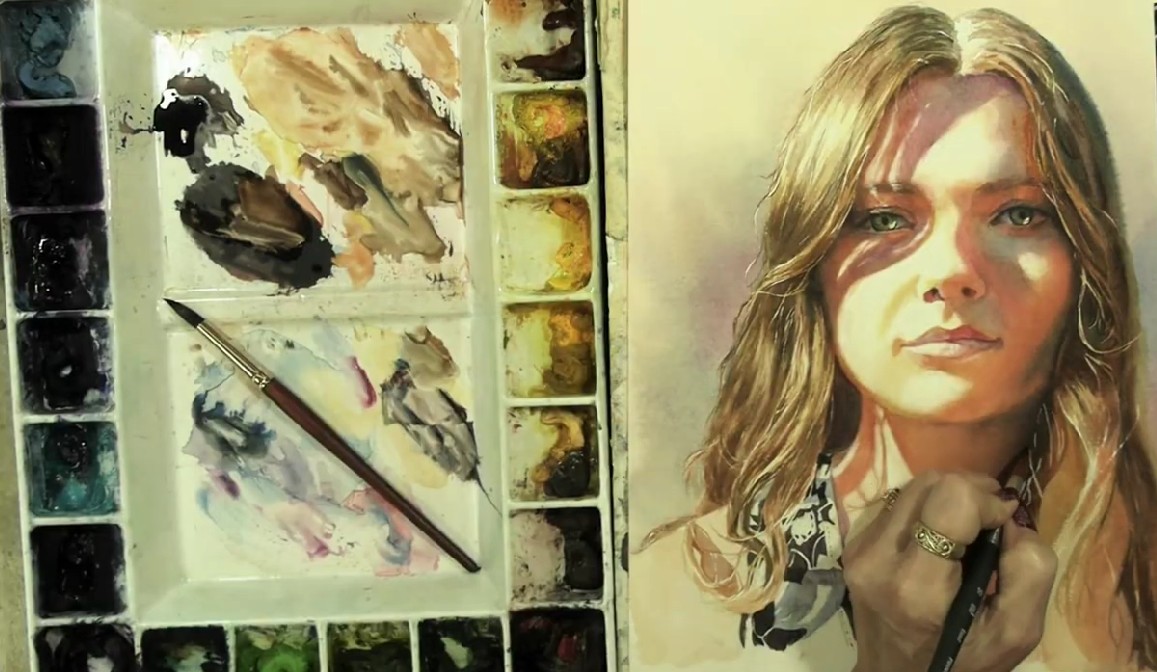
Using a photo reference of her granddaughter, Kathleen S. Giles went the extra mile to get just the right picture by having an orange oven mitt held up to the side of her model’s face, which made the outdoor light bounce around more and give more color depth.
Tip for Controlling Edges in Watercolor: To get a hard edge, leave the paper dry around where you are adding value. To get a smooth or soft edge, dampen the paper.

Lynn Pratt led us through a detailed demo on how to paint realistic wood, the rough texture of the cork, and realistic, three-dimensional metal with a shadow in her still life demonstration.
Bonus Inspiration: You might have seen Lynn’s photorealistic “money” series here at RealismToday.com recently.
“I am inspired! Truly.” ~ Josie F.
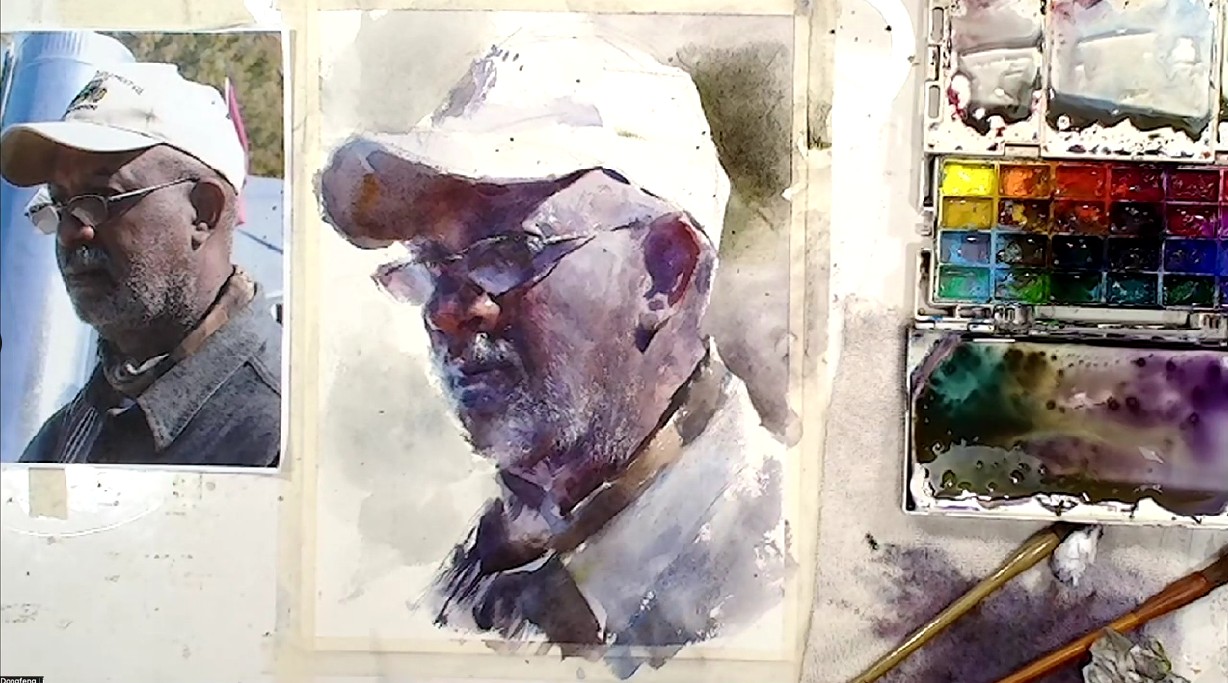
Dongfeng demonstrated his process for painting a portrait in watercolor. (Note: He’s joining us at the Plein Air Convention & Expo this year, so sign up now and learn from him in person for a week of fun, learning, and art immersion.)
“It’s amazing they always look like they are making a mess at some point and yet they carry on to an amazing painting! Something to remember along the way when I am ready to give up!” ~ Helen B.
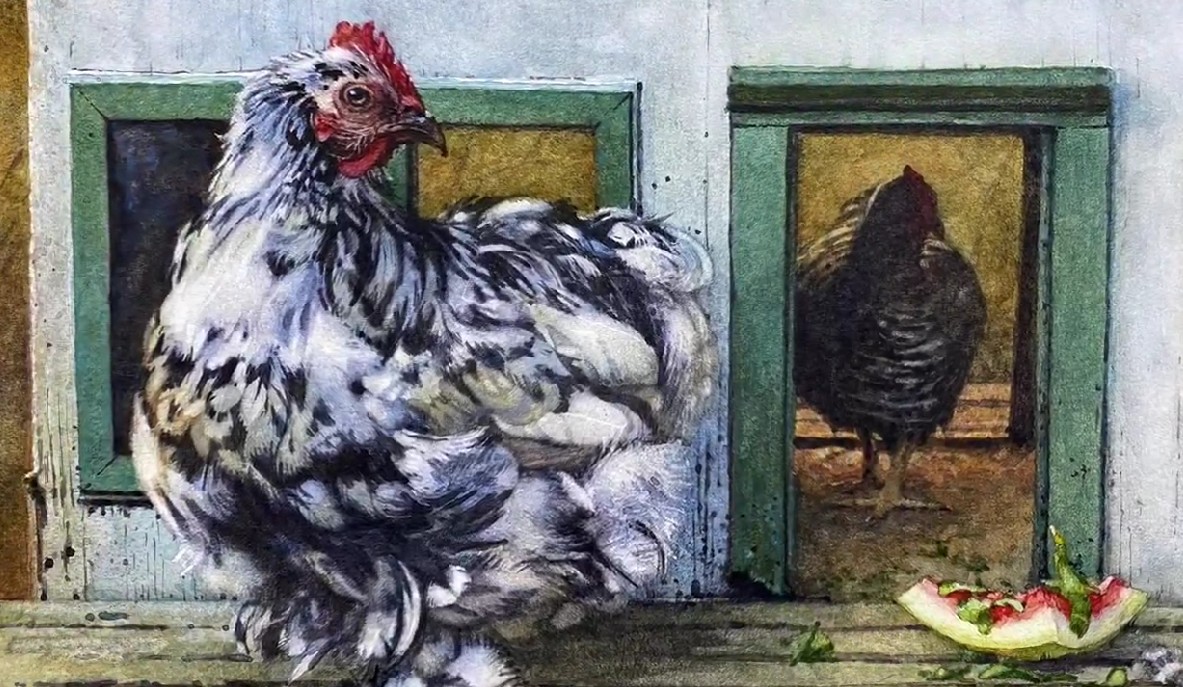
The connection to the subject is as important as the technical aspects of painting, Deborah Chabrian explained. Her co-host was a “highly paid model,” a pet chicken (who works for arugula). 
Deborah explained how color and value are relative, so it’s helpful to establish the surrounding environment (like the chicken coop / house in this example) to guide the color and value of the main subjects (like the chickens).
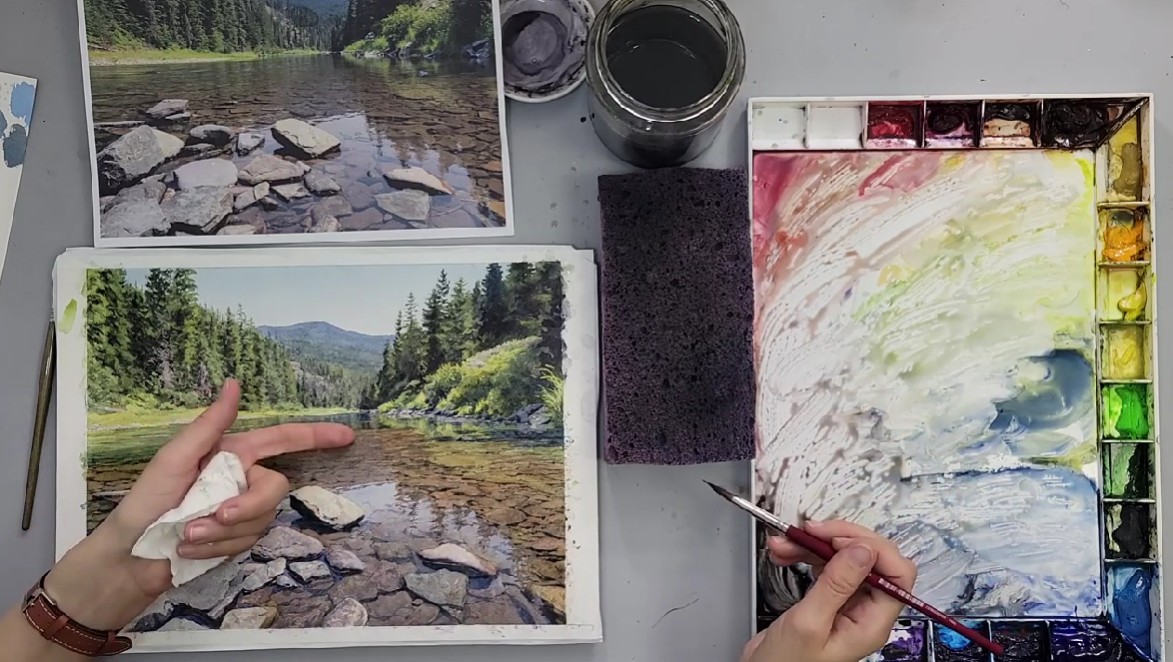
“If you’ve got a weird shape that you don’t like,” said Jessica Bryant, “fill in the gaps where it’s light with a darker value to make it one whole shape that’s the same value. It’s a little bit tedious, but it’s better than hating something that happened in your painting.”
Remember! Join us next for Gouache Live on February 19, 2026. It’s a one-day, beginner-friendly bootcamp that makes gouache easy and fun!